Did you know we have 37,000 acres of wetlands in King County? That’s almost 58 square miles of vital ecosystems that tend to be squishy, squelchy, and- yes- smelly. Wetlands increase biodiversity, clean water, mitigate the impacts of floods, and sequester carbon. They are also home to huge numbers of plants and animals and support food and recreation opportunities for people.
But wetlands are among the most endangered habitats on the planet. In King County, about 95% of wetlands that existed along the Duwamish River and Lake Washington in the early 1900’s have disappeared. This is primarily due to development, agriculture, and other human activity.
Now there are regulations and programs that protect and restore these unique areas, but we also need individuals and communities to understand and care for them. So, read on to learn more and get excited about King County’s wonderful wetlands!

What are wetlands?
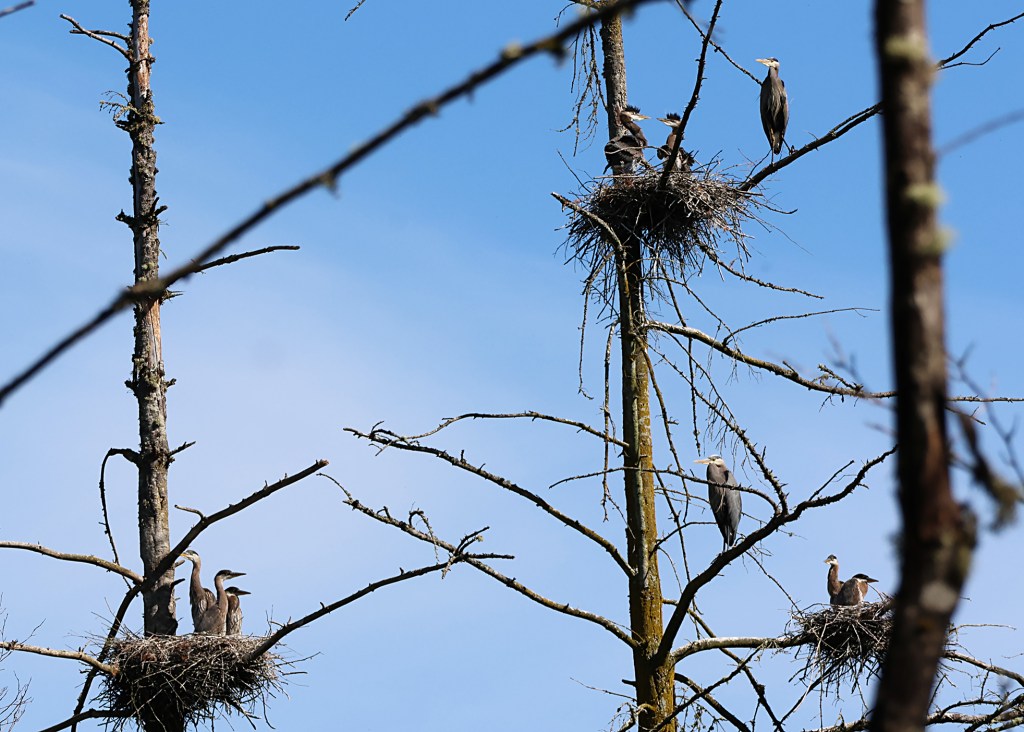
Wetlands are unique ecosystems usually located at the intersection of water and land. Imagine marshes, bogs, and swamps- these are all wetlands, though there are other types, too. Their wet soils support specialized plants such as cattails and rushes. In turn, those plants help birds, fish, reptiles, amphibians, and mammals find food, shelter, and nesting spots.
In King County, you can find many types of wetlands. Coastal or freshwater marshes will be right up against a lake or Puget Sound. Tidal marshes have a unique, ever-changing mixture of freshwater and saltwater and are key habitats for salmon moving between stream and sea. Bogs and swamps can be drier and host different types of plants and animals than other environments.



Caring for wetlands is a full-time job
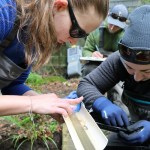
Physically improving and restoring wetlands is hard work and requires lots of collaboration. One type of expert in this work is called a wetland ecologist. They study the interactions of plants, animals, and water in wetlands. They may also research and try to solve problems caused by pollution, climate change, and human activities. The Science Section’s wetland ecologist, Mason, assesses wetlands and creates maps and resources for agencies and the public.
For example, Mason and others recently updated stream and wetland information in King County’s iMap tool. The newer maps provide more accurate resources for people who research, plan, permit, restore, or develop projects throughout King County. To explore the updated wetlands map, navigate to iMap, then to the Environmentally Sensitive Areas group layer. There you’ll find the layer titled ‘Wetlands (National Wetland Inventory 2024)’. Older layers are also still available to view.

Surprising partners in restoration
For restoration projects, King County partners with Tribes, nonprofits, local communities… and beavers (Castor canadensis)! When beavers discover a wetland project, they can rapidly reengineer the space to increase water storage, ecosystem complexity, and biodiversity.
Those actions make beavers excellent partners in ecosystem improvement and salmon recovery, but they can also create problems for people. King County has resources and ideas for managing beaver activity with negative impacts. We also maintain the Planning for Beavers manual to help land managers understand and plan for beaver activity.
The video below shows how King County ecologists and engineers are researching approaches to habitat restoration that might capitalize on beavers’ growing populations and unique abilities. Check it out to meet two of our hardworking Science Section ecologists, Jen and Rebekah, and a behind-the-scenes look at a wetland research site.
Get out and explore!
The map below shows wetlands all over the county that have public access. Whether you walk, roll, and paddle through, every wetland is an adventure. If you see something exciting or have questions, you can always email the Science Section!